Au fur et à mesure que les véhicules deviennent plus grands, que les routes deviennent plus fréquentées et que les environnements de conduite deviennent plus complexes, la demande de solutions de visibilité avancées continue de croître.en arrière dans des places de stationnement étroites, exploitant des flottes commerciales ou gérant des véhicules industriels, les conducteurs sont confrontés à un défi commun: maintenir une pleine conscience de leur environnement.
Les rétroviseurs traditionnels et les appareils photo à vue unique ont longtemps été d'une aide précieuse, mais ils sont souvent incapables d'éliminer tous les points morts ou de fournir une prise de conscience globale de l'environnement.En conséquenceL'industrie automobile a de plus en plus adopté une nouvelle génération de technologies de sécuritéSystème de caméra tout en un à 360°.
Combinant plusieurs caméras, traitement d'image intelligent, surveillance en temps réel et fonctions de contrôle intégrées dans une seule plateforme,Les systèmes 360° tout en un deviennent rapidement un élément essentiel de la sécurité des véhicules modernesQu'il s'agisse de voitures particulières, de camions, d'autobus, de chariots élévateurs ou de véhicules spécialisés, ces systèmes aident les conducteurs à mieux voir, à réagir plus rapidement et à fonctionner plus efficacement.
Qu'est-ce qu'une caméra à 360°?
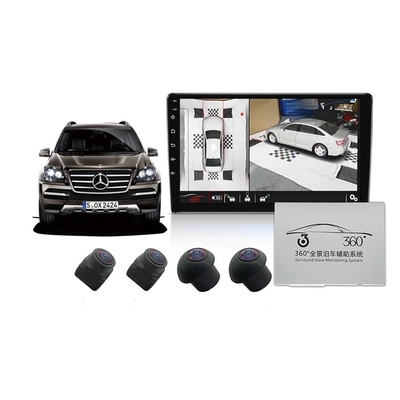
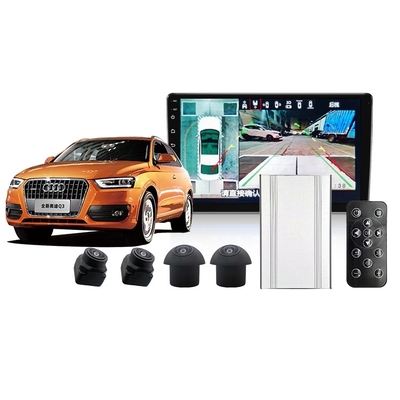
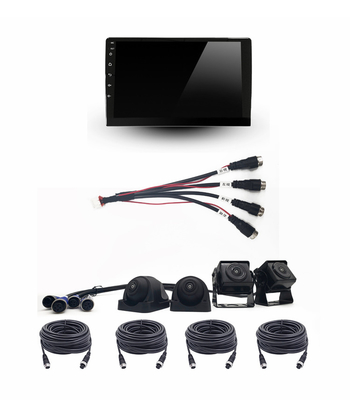
Un système de caméra tout-en-un à 360° est une solution de vision intégrée du véhicule qui combine plusieurs caméras et une technologie de traitement d'image pour créer une vue panoramique complète autour du véhicule.
Contrairement aux appareils photo traditionnels qui n'affichent qu'un seul angle de vision, un système à 360° recueille des images des caméras placées autour du véhicule et les fusionne en une vue d'oiseau transparente.Cela permet aux conducteurs de surveiller l'avant, arrière, gauche et droite du véhicule simultanément.
Le terme "tout-en-un" désigne l'intégration de plusieurs fonctions dans un seul système, notamment:
- Traitement vidéo
- Couture d'image
- Fonctions d'enregistrement
- Gestion des affichages
- Aide au stationnement
- Surveillance du point mort
- Caractéristiques d'alerte intelligentes
En consolidant ces fonctions, les systèmes tout-en-un simplifient l'installation tout en améliorant la fiabilité et la convivialité du système.
Comment fonctionnent les caméras à 360°
L'efficacité d'un système de caméra à 360° repose sur une combinaison de technologies matérielles et logicielles.
Couverture par plusieurs caméras
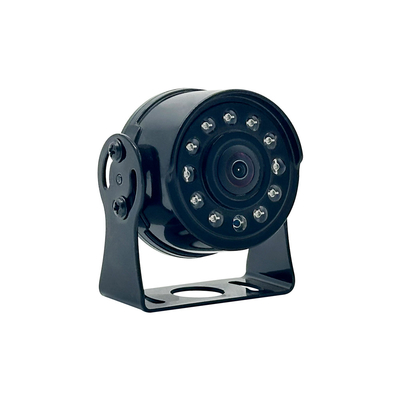
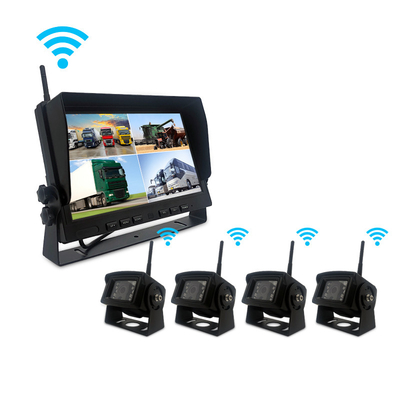
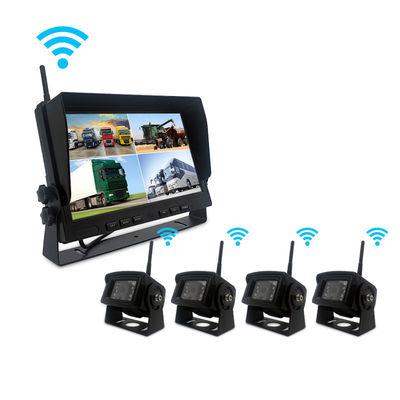
La plupart des systèmes utilisent quatre caméras à très grand angle installées autour du véhicule:
Caméra avant
Surveille la zone devant le véhicule et aide à naviguer sur des routes étroites ou des intersections.
Caméra arrière
Fournit une visibilité lors de la marche en arrière et du stationnement.
Caméra de gauche
Surveiller les points morts et les aides lors de changements de voie ou de virages serrés.
Caméra du côté droit
Améliore la sensibilisation aux obstacles et aux piétons à proximité.
Chaque caméra capture un large champ de vision, assurant une couverture maximale autour du véhicule.
Affichage et surveillance en temps réel
Les images traitées sont affichées sur:
- Moniteurs dédiés au véhicule
- Rétroviseurs numériques
- Systèmes multimédias Android
- Affichage de la gestion de la flotte
De nombreux systèmes modernes prennent également en charge les vues à écran partagé, permettant aux conducteurs de basculer entre les perspectives panoramiques et individuelles de la caméra en fonction des conditions de conduite.
Pourquoi la visibilité est plus importante que jamais
Les véhicules modernes sont confrontés à divers problèmes de visibilité.
Il s'agit notamment:
- Points morts autour des véhicules plus gros
- Environnements urbains surpeuplés
- Places de stationnement étroites
- Conditions de conduite à faible luminosité
- Zones à forte densité piétonne
- Les chantiers industriels complexes
Même un conducteur expérimenté peut avoir du mal à rester pleinement conscient de la situation lorsqu'il conduit de gros véhicules ou qu'il manœuvre dans des espaces restreints.
Un système de caméra à 360° répond à ces défis en fournissant des informations visuelles continues à partir de multiples perspectives, aidant les conducteurs à prendre des décisions plus sûres et plus éclairées.
Applications dans différents types de véhicules
Véhicules de tourisme
Pour les conducteurs de tous les jours, le stationnement et la manœuvre à basse vitesse sont parmi les causes les plus courantes d'accidents mineurs.
Un système tout en un à 360° aide à:
- Éliminer les points morts
- Amélioration de la précision du stationnement
- Réduction des rayures et des bosses du véhicule
- Renforcer la confiance en soi lors de la conduite en ville
À mesure que les places de stationnement se réduisent et que la taille des véhicules augmente, la technologie de visualisation surround devient de plus en plus précieuse.
Camions utilitaires et véhicules de flotte
Les véhicules utilitaires présentent souvent des points morts importants en raison de leur taille et de leur conception.
Pour les opérateurs de camions, un système de visualisation surround peut:
- Améliorer la sécurité lors du changement de voie
- Assistance aux opérations de chargement
- Réduire les accidents en marche arrière
- Améliorer la gestion de la sécurité de la flotte
En fournissant une visibilité complète, ces systèmes aident les exploitants de flottes à réduire les coûts liés aux accidents et à améliorer l'efficacité opérationnelle.
Autobus et véhicules de transport de passagers
Les véhicules de transport public circulent dans des environnements où il y a une activité piétonne constante.
Les systèmes à 360° aident le conducteur en:
- Surveillance des zones d'embarquement des passagers
- Amélioration de la sensibilisation autour des arrêts de bus
- Réduction des incidents liés aux points morts
- Amélioration de la sécurité des passagers
Ces avantages sont particulièrement importants dans les réseaux de transport urbain.
Automobiles et véhicules industriels
Les véhicules industriels circulent souvent dans des espaces confinés où la visibilité est limitée.
Pour les chariots élévateurs et les véhicules d'entrepôt, les systèmes de visualisation surround peuvent:
- Améliorer la précision de la manutention des palettes
- Surveiller les travailleurs à proximité
- Réduire les dommages aux équipements
- Améliorer la sécurité des entrepôts
À mesure que l'entreposage intelligent continue de croître, les solutions de visibilité basées sur les caméras deviennent des outils opérationnels essentiels.
Le rôle de l'imagerie haute définition
Les performances d'un système de visualisation surround dépendent fortement de la qualité de l'image.
Les systèmes modernes prennent généralement en charge:
- AHD 720P
- AHD 1080P
- Vidéo Full HD
Une résolution plus élevée permet:
- Amélioration de la reconnaissance des objets
- Une plus grande clarté d'image
- Une meilleure performance dans des environnements complexes
Les conducteurs peuvent plus facilement identifier les piétons, les obstacles et les véhicules environnants, ce qui améliore la sécurité globale.
Les tendances de l'industrie conduisent à l'adoption
Plusieurs tendances de l'industrie accélèrent l'adoption de systèmes tout en un à 360°.
1Les exigences croissantes en matière de sécurité
Les gouvernements, les exploitants de flottes et les consommateurs accordent de plus en plus de priorité aux technologies de sécurité des véhicules.
2. Intégration avec ADAS
Les caméras à vue d'ensemble deviennent des composants clés des systèmes d'assistance au conducteur (ADAS).
Ils prennent en charge des technologies telles que:
- Parking automatisé
- Évitement des collisions
- Aide à la voie
- Développement de la conduite autonome
3. Connectivité sans fil
Les systèmes modernes prennent de plus en plus en charge:
- Connectivité Wifi
- Surveillance à distance 4G
- Applications mobiles
- Gestion de flotte basée sur le cloud
Ces caractéristiques améliorent la flexibilité et l'accessibilité à distance.
4. Intégration multifonctionnelle
Les fabricants intègrent plusieurs technologies dans une seule plateforme, notamment:
- Enregistrement DVR
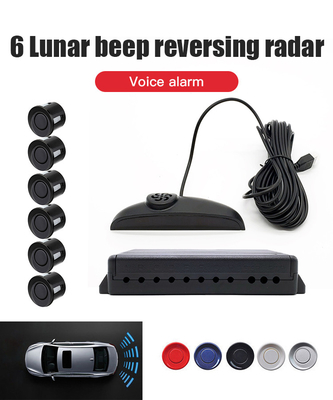
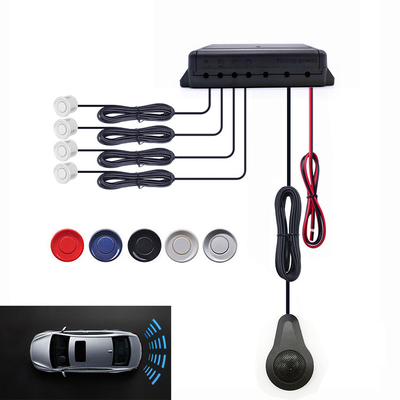
- Capteurs de stationnement
- Analyse de l'IA
- Surveillance de la flotte
Cette tendance rend les systèmes tout en un plus rentables et plus faciles à déployer.
Conclusion
Les systèmes de caméras 360° tout en un représentent une avancée majeure dans la technologie de visibilité des véhicules.et les fonctions de sécurité assistées par IA, ces systèmes permettent aux conducteurs de mieux comprendre leur environnement.
Des voitures particulières aux camions commerciaux en passant par les chariots élévateurs et les véhicules industriels, les avantages sont évidents: une sécurité améliorée, une meilleure sensibilisation, une réduction des angles morts et une plus grande efficacité opérationnelle.
Alors que l'industrie automobile continue d'adopter des technologies plus intelligentes, les systèmes de caméras 360° tout en un évoluent rapidement de fonctionnalités haut de gamme à des solutions de sécurité essentielles pour les véhicules modernes.

 Votre message doit contenir entre 20 et 3 000 caractères!