Contexte industriel : Le défi persistant des angles morts
Les environnements de circulation modernes deviennent de plus en plus complexes. Avec la croissance rapide de la mobilité urbaine, une densité de véhicules plus élevée et l'expansion des opérations logistiques, les conducteurs sont confrontés à plus de limitations visuelles que jamais.
Les angles morts restent l'un des problèmes de sécurité les plus critiques dans toutes les catégories de véhicules :
- Les voitures particulières ont souvent du mal avec les zones d'angle mort arrière et latérales lors du stationnement et des changements de voie
- Les SUV et les fourgonnettes ont des limitations de visibilité arrière accrues
- Les camions et bus commerciaux font face à de vastes zones d'angle mort qui ne peuvent pas être entièrement couvertes par les rétroviseurs
- Les véhicules de construction et agricoles opèrent dans des environnements très dynamiques avec une visibilité limitée pour l'opérateur
Ces défis continuent de contribuer à une part importante des collisions à basse vitesse, des accidents de stationnement et des incidents de changement de voie dans le monde entier.
Par conséquent, la visibilité traditionnelle basée sur les rétroviseurs n'est plus suffisante pour les conditions de conduite modernes.
Technologies clés transformant la sécurité routière
1. Systèmes de caméras embarquées : élargir la vision du conducteur
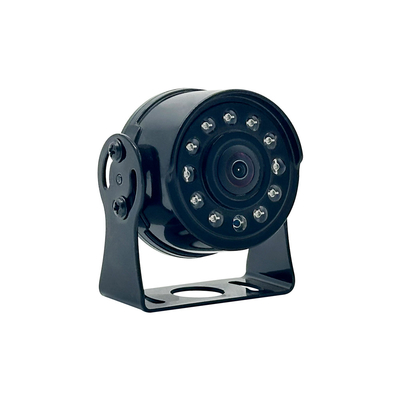
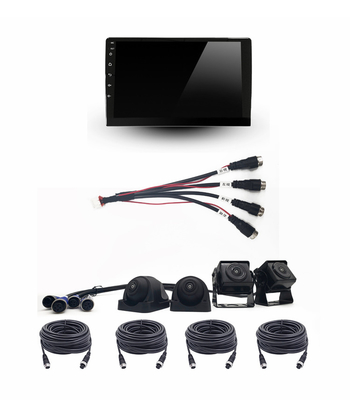
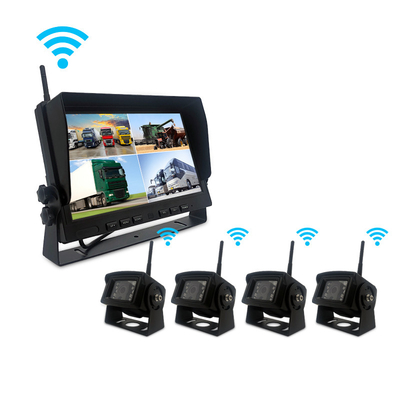
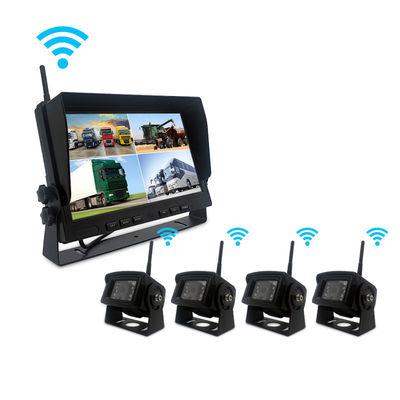
Les systèmes de caméras embarquées sont le fondement des solutions modernes de visibilité à l'intérieur des véhicules. En capturant des vidéos en temps réel sous plusieurs angles, ils étendent la perception du conducteur au-delà des limitations physiques.
Les configurations clés comprennent :
- Caméra de recul pour l'assistance au recul et au stationnement
- Caméra avant pour la conscience des obstacles en marche avant
- Caméra latérale pour les changements de voie et la navigation sur routes étroites
Avantages techniques clés :
- Imagerie haute définition (AHD / HD / 1080P)
- Objectifs grand angle pour réduire les angles morts
- Protection étanche IP67/IP68 pour une utilisation par tous les temps
- Capacité de vision nocturne pour les conditions de conduite à faible luminosité
2. Systèmes de capteurs de stationnement : conscience de la distance en temps réel
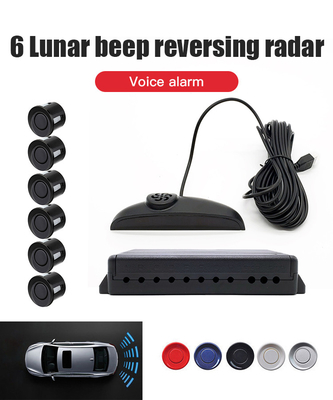
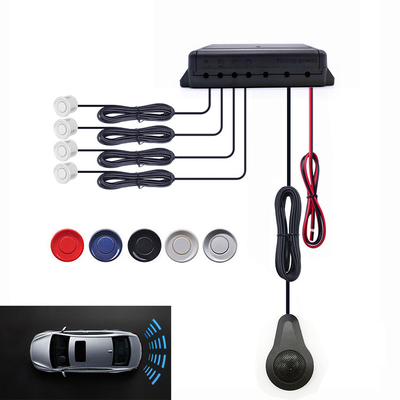
Les capteurs de stationnement complètent les systèmes visuels en fournissant une détection de proximité précise grâce à la technologie ultrasonique.
Fonctions principales :
- Mesure de distance en temps réel (généralement 0,3 m à 2,5 m)
- Alertes sonores et visuelles
- Prise en charge des manœuvres à basse vitesse et des scénarios de stationnement
Bien que les capteurs ne fournissent pas d'informations visuelles, ils améliorent considérablement la conscience situationnelle dans les environnements de proximité.
3. Systèmes de vue panoramique à 360° : éliminer complètement les angles morts
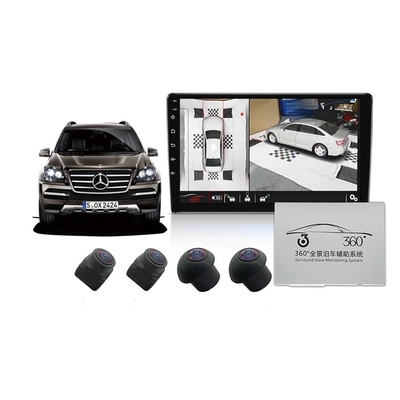
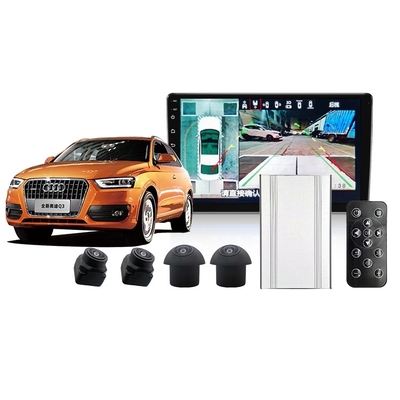
L'une des innovations les plus percutantes en matière de sécurité des véhicules est le système de vue panoramique à 360°.
Comment ça marche :
- Plusieurs caméras sont installées autour du véhicule
- Les images sont traitées et assemblées en une vue unifiée de dessus
- Les conducteurs reçoivent une perspective aérienne en temps réel de tout l'environnement du véhicule
Ce système est particulièrement efficace pour :
- Les environnements de stationnement urbain
- La navigation sur routes étroites
- Les opérations de véhicules lourds où les angles morts sont étendus
4. Dashcams et systèmes d'IA : de l'enregistrement à l'assistance intelligente
Les dashcams ont évolué de simples appareils d'enregistrement à des outils de sécurité intelligents.
Fonctionnalités principales :
- Enregistrement en boucle continue
- Détection d'événement de collision et verrouillage vidéo
- Surveillance avant et optionnelle de l'habitacle
Avec l'intégration de l'IA, ces systèmes prennent désormais en charge :
- Détection d'angle mort (BSD)
- Surveillance de la fatigue et de la distraction du conducteur
- Reconnaissance des dangers en temps réel
Ce changement transforme les dashcams de simples enregistreurs passifs en assistants de sécurité actifs.
Scénarios d'application par type de véhicule
Véhicules particuliers (Berlines et SUV)
- Stationnement et recul plus sûrs
- Meilleure conscience dans le trafic urbain dense
Véhicules commerciaux (Camions, Bus, Fourgonnettes)
- Réduction critique des angles morts
- Surveillance et gestion de la sécurité à l'échelle de la flotte
- Réduction du risque d'accident dans les opérations logistiques
Véhicules spécialisés (Chariots élévateurs, Excavatrices, Équipements agricoles)
- Visibilité améliorée pour l'opérateur dans des environnements complexes
- Sécurité et contrôle de précision améliorés sur le site de travail
Conclusion : De l'assistance à la sécurité intelligente
Alors que les environnements des véhicules continuent d'évoluer, l'élimination des angles morts et la visibilité complète deviennent des exigences de sécurité fondamentales plutôt que des options.
L'électronique embarquée n'est plus de simples outils de support – elle devient rapidement le fondement des systèmes de sécurité routière modernes.


 Votre message doit contenir entre 20 et 3 000 caractères!